Developing renewable energy together
We develop projects in battery energy storage, solar power and wind power from concept through to construction. Whether you are an investor, landowner or simply interested in the sector, you can explore our project sites across Sweden here. Join us in contributing to increased renewable energy generation and the green transition.
How we develop energy projects – from concept to operation
Project development within solar power, wind power and energy storage is a structured process that extends from early-stage concept development to a fully operational facility.
The process begins with identifying suitable sites and establishing dialogue with landowners, municipalities and other local stakeholders. Through close collaboration, projects are anchored locally and developed with a long-term perspective.
The next stage involves analysing the project’s technical, environmental and commercial conditions. This includes permitting processes, environmental assessments and planning for grid connection. During this phase, the project design is refined to meet regulatory requirements while optimising generation capacity and commercial performance.
Once all necessary permits and approvals are in place, the project proceeds to construction. We can support the principal contractor, based on our involvement in the permitting phase, in the delivery of the facility in accordance with the project plan. Throughout the entire process wherever we are involved, we work in an integrated and phased manner with the objective of delivering sustainable energy solutions that meet future energy demands.
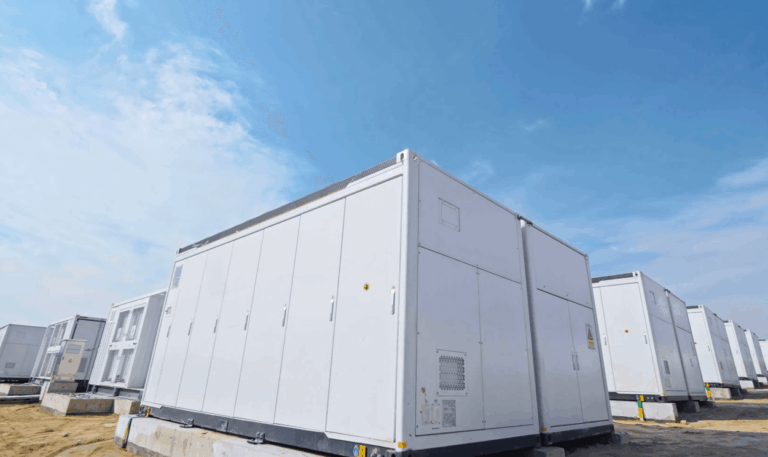
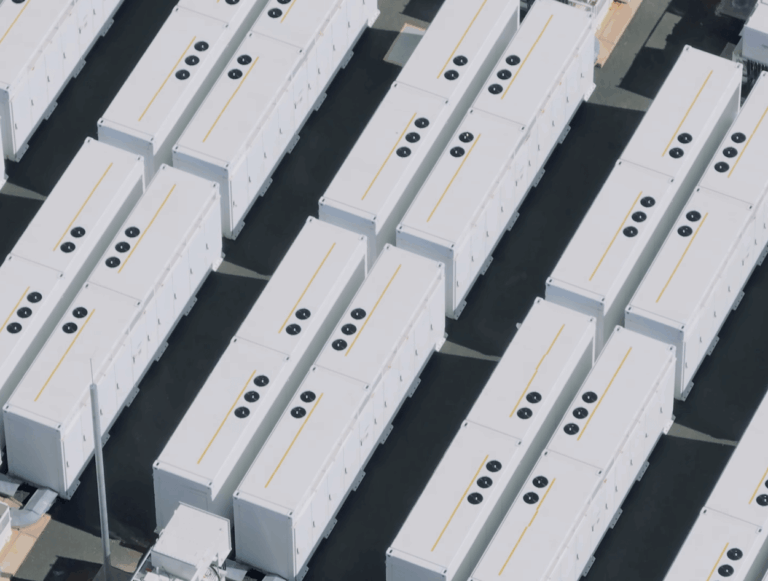
An increasingly important element of modern energy projects is the integration of battery energy storage systems (BESS). By combining solar and wind generation with energy storage, output can be optimised, intermittency balanced and grid stability strengthened. These hybrid solutions increase flexibility and contribute to a more resilient energy system.
How a project progresses
Development Phase
1–7 years
Land areas with favourable conditions for renewable energy generation are identified, assessed and secured through lease agreements. This is followed by the development phase, including facility design, grid connection applications and permitting applications.
Construction Phase
3–36 months
Procurement, detailed engineering, construction, grid connection, any required qualification processes and final approvals are carried out.
Operations & Asset Management
15–35 years
The facility enters commercial operation and delivers electricity and, where applicable, ancillary services to the grid. Operational, technical and commercial asset management is handled by experienced operators.
Decommissioning
1–2 years
If there are no longer conditions for continued operation, decommissioning and dismantling of the facility are initiated, including restoration of the leased land.
Repowering
15–35 years
Where continued operations are commercially and technically viable, lease agreements may be renegotiated, new permits obtained where required and the facility upgraded for continued operation.
Our renewable energy projects
Under development
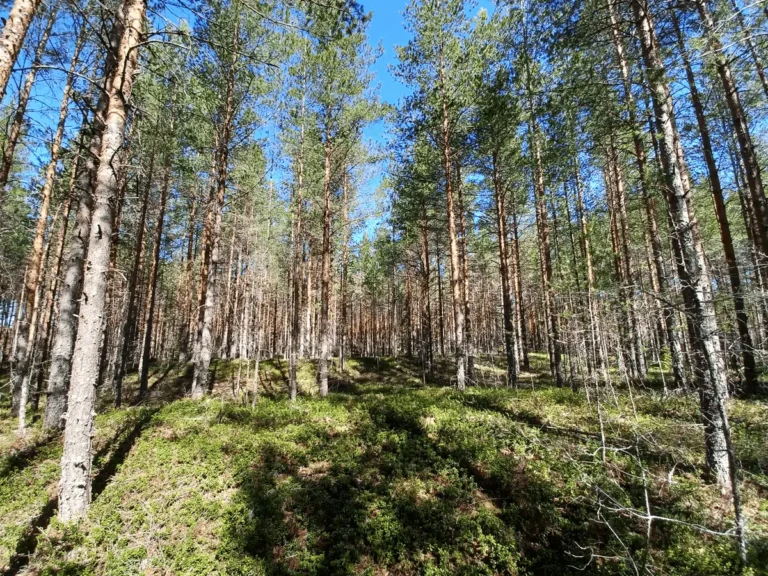
- Battery storage
Under development
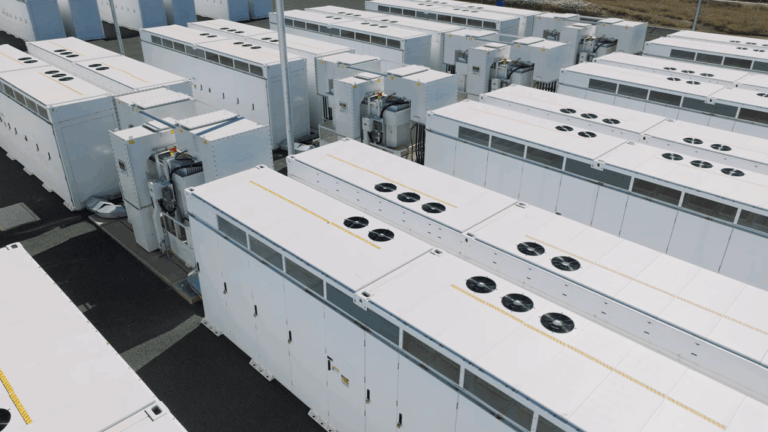
- Battery storage
Under development
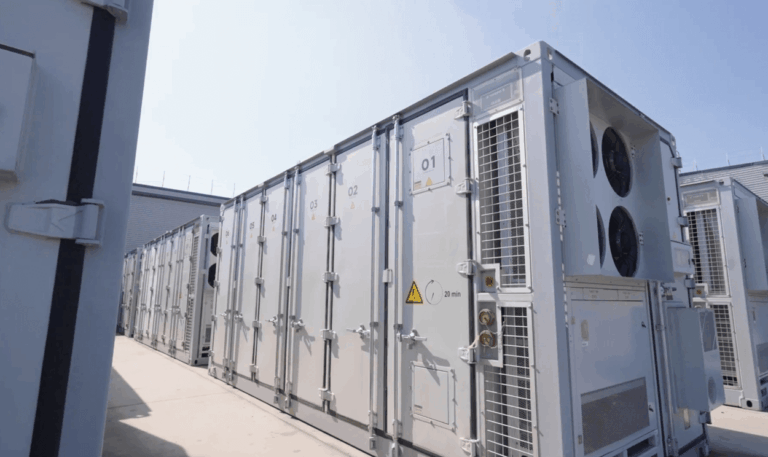
- Battery storage
Under development
- Battery storage
Under development
- Battery storage
Under development
- Battery storage
Under development
- Battery storage
Under development
- Battery storage
Under development
- Battery storage
Under development
- Battery storage
Under development
- Battery storage
Under development
- Battery storage
FAQ
What are the benefits of renewable energy?
Renewable energy sources, such as solar and wind power, emit no greenhouse gas emissions or other pollutants. With renewable energy, we can reduce the use of fossil fuels and transform society to reduce climate change. By switching to renewable energy sources, air pollution can be reduced, public health improved, natural resources preserved, and the environment protected. Renewable energy has had a rapid technological development with significant cost reductions in recent years and it is now a competitive type of energy source from a cost perspective.
How does solar energy work?
Solar energy is produced by photovoltaic panels (PV) converting sunlight into electricity using a semiconductor material. A solar panel consists of several interconnected solar cells, which are interconnected in a circuit and with two layers an electric field is created between when the sun shines on them and electricity is formed. In order to use the electricity from the solar panels or bring it into the grid, it is converted from direct current (DC) to alternating current (AC) using an inverter.
How does wind power work?
Wind power converts the kinetic energy of the wind into electricity using wind turbines. Through the rotor blades and generator, the energy of the wind is captured, and the mechanical movement is converted into electricity. Wind turbines are usually gathered in a wind farm with an internal electricity grid that connects them to substations. The generated electricity from the wind farm is fed into the local grid or transmission grid depending on the size and location of the facility.
How does land negotiation work in renewable energy?
Land negotiation for renewable energy is the process in which project developers negotiate with landowners or land users. This is to secure the land needed to build and operate facilities such as wind farms, solar power plants and hydropower plants. This process is an important part of initiating and implementing renewable energy projects.
The process starts with identifying suitable locations for renewable energy projects, such as windy areas or areas with plenty of sunshine. Factors such as ground topography, proximity to the power grid and permit requirements can also affect the choice of location. Once a suitable site has been found, the developer contacts landowners or land users who own or control the land. It can be private individuals, companies, farmers, or even authorities depending on the area. This is followed by negotiations involving discussions on various aspects of the project such as lease agreements, land purchases, distribution of revenue, project timeframes and possible compensation for any impact on land use or the environment. Based on the discussions, the project developer and the landowner can create a formal agreement that clearly describes the terms of the land use. Once the land negotiations are completed and all agreements are signed, the project developer can proceed with the planning, construction, and operation of that project on the land.
What are agrivoltaics?
Agrivoltaics (agrophotovoltaics) is a way of combining agriculture with the product of solar energy. Through agrivoltaics, farmers can use their land for both crop or animal husbandry and energy production at the same time. By providing shade, agrivoltaics can reduce crop water evaporation, heat impact and sun exposure, leading to increased yields and better quality products. Agrivoltaics can also enable available land areas to be used more efficiently as the land can be used for both agriculture and energy production. In addition it reduces land competition in cases where available land is needed for both agriculture and energy production.Agrivoltacis is still a relatively new technology, but research studies have shown that done correctly, it is possible to produce energy profitably while it is possible to farm.
What is battery storage?
Through battery storage, electrical energy is stored from usually solar energy or wind power. When more solar or wind power is produced than needed, the batteries are charged. When there is increased demand for electricity increases or when there is no sunlight or wind, the stored energy can be used to meet the demand. Battery storage systems can be used in residential buildings to commercial properties and large-scale power grids. They can provide backup power during power outages or periods of high demand for electricity, help stabilize the grid and strengthen grid infrastructure.
What is BESS?
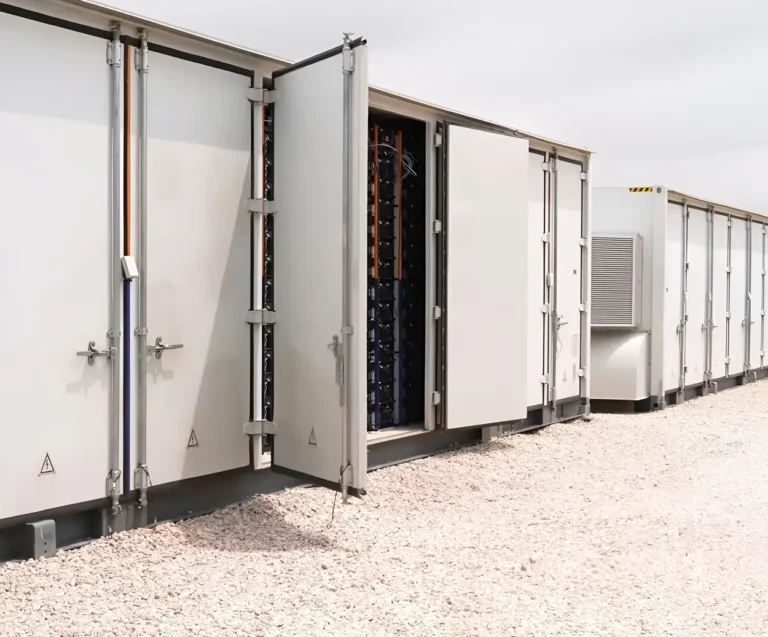
BESS is an abbreviation of Battery Energy Storage System. A BESS consists of one or more battery banks, which in turn are made up of individual battery cells. BESS technology is becoming more common in everything from residential and commercial buildings to large-scale power grids. Renewable energy variability increases the need to be able to store, control and stabilize energy production, which can be done through the use of BESS technology. The capacity of a BESS is measured in terms of its energy storage capacity, which is usually measured in kilowatt-hours (kWh). The power of a BESS, which is the speed at which it can deliver electrical energy, is usually measured in kilowatts (kW) or megawatts (MW).
What is PPA?
PPA is an abbreviation of Power Purchase Agreement. Through a PPA, a buyer can agree to purchase the electricity generated over a certain period of time at a predetermined price. PPAs are common in renewable energy and are important for financing and developing projects by generating long-term revenue and a stable price.
Make a long-term investment
Invest securely in our renewable energy projects. A long-term investment opportunity that contributes to the transition towards a renewable and more resilient energy system.
Opportunities for landowners
Do you own land suitable for solar parks, wind farms or battery energy storage? We would be pleased to assess its potential together with you. As a landowner, you can contribute to the green transition while creating a new long-term revenue stream.